
Community Events
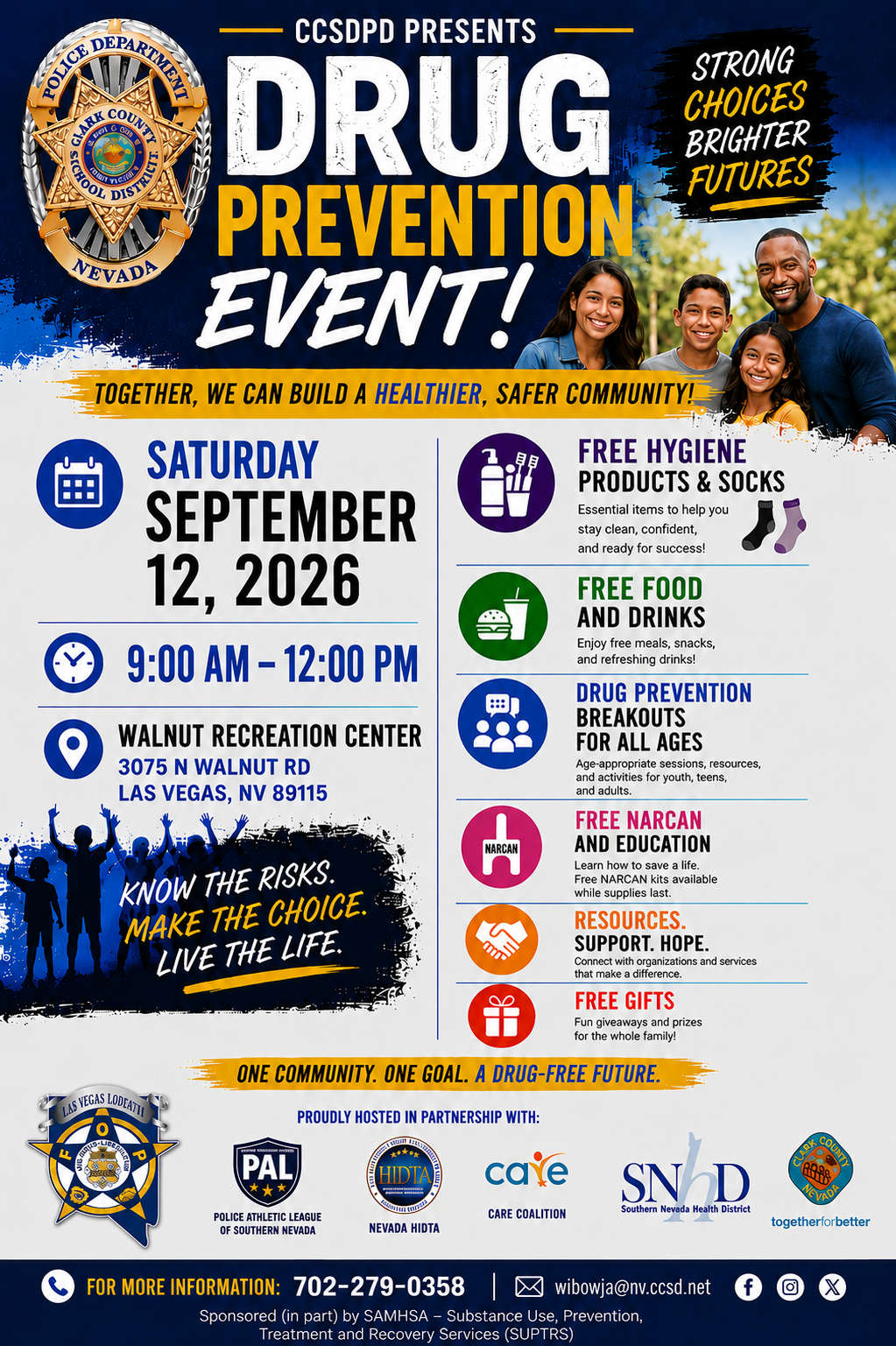
Narcan at Night
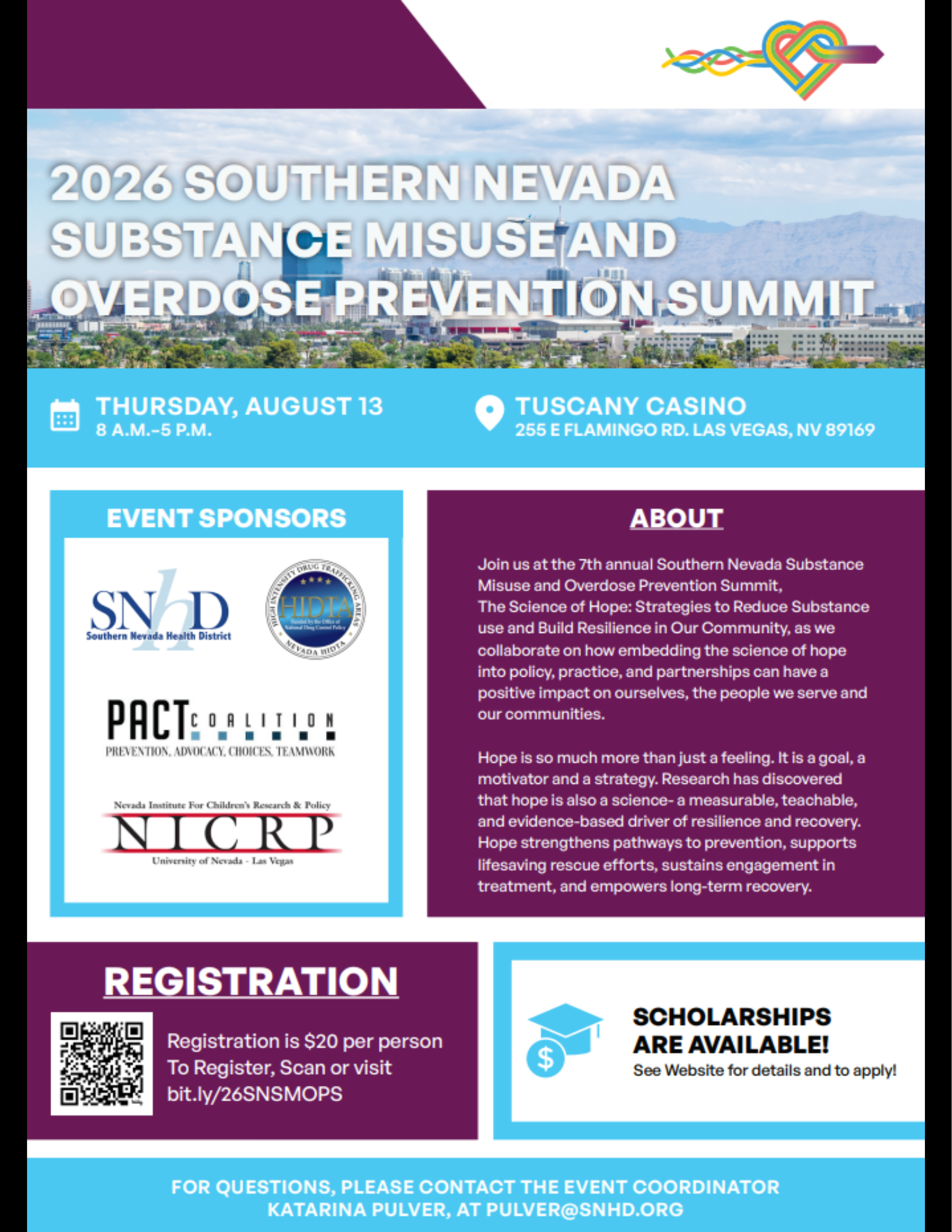
Overview
A community-wide effort to reduce overdose deaths through education, outreach, and action.
Narcan at Night 2026
HOPE DOESN'T EXPIRE
Saturday, September 12, 2026
Check-In Begins: 4:00 PM PST
Starting Location: SUBSTANCE LV – Fremont Street, Las Vegas, NV
Be Part of One of Nevada's Largest Overdose Prevention Efforts
Narcan at Night is a volunteer-led community event dedicated to overdose prevention, education, and outreach. What began as a small local initiative has grown into a nationally recognized model that empowers everyday people to take action and save lives.
On September 12th, volunteers from across Southern Nevada will come together with one goal:
To educate thousands of community members while distributing 15,000 overdose response kits throughout Las Vegas.
Through education, outreach, and connection, we can help reduce overdose deaths and expand access to life-saving resources.
What to Expect
Participants will register for the specific team they would like to join. Each team is assigned a designated outreach area throughout the Las Vegas Valley.
Event Schedule
4:00 PM
Participant check-in begins at SUBSTANCE LV
5:30 PM
Event announcements
Team photos
6:30 PM – 7:00 PM
Teams depart for their designated outreach areas after photos are completed
Approximately 7:00 PM – 10:00 PM
Community outreach and kit distribution
Provide overdose prevention education
Share available community resources
Teams will remain in the field until approximately 10:00 PM, although exact end times may vary at the discretion of individual Team Leads.
Registration Information
Registration Opens July 6, 2026
Team spots are limited and availability varies by location.
Participants will register directly with the team they wish to join. If there is a specific team you would like to participate with, we strongly encourage registering early.
Team Selection & Participation
To help ensure outreach efforts are distributed effectively throughout the community, participants are strongly encouraged to remain with the team they register for.
Each team is assigned a specific outreach area, and team sizes are carefully planned based on location and anticipated community needs. Registering early is the best way to secure a spot with your preferred team.
By staying with your registered team, you help us maximize our impact and ensure resources are distributed evenly across the Las Vegas Valley.
Shirt Guarantee Deadline
Shirts are no longer guaranteed after August 12, 2026. Additional shirts were purchased in each sized. Arrive early if you did not register by this date to see if extras are available.
Final Registration Deadline
September 9, 2026
Training Opportunities
While not required, participants are strongly encouraged to attend an Overdose Prevention Training prior to the event.
These trainings help volunteers:
Understand overdose prevention principles
Learn how to explain overdose response kits to community members
Build confidence discussing available resources
Better support individuals encountered during outreach
Training dates and information will be announced on our Facebook page.
Important Participant Information
All Ages Welcome
Participants under 18 are welcome but must be accompanied by a parent or responsible adult.
Parents and guardians should carefully consider the outreach area assigned to their chosen team and determine whether it is appropriate for participating youth.
Weather & Attire
Las Vegas temperatures may remain warm into the evening.
Please:
Dress appropriately for the weather
Bring water
Wear comfortable clothing
Participants assigned to mobile outreach teams should wear appropriate footwear for extended walking.
Why We Do This
Every overdose prevented represents a family kept whole.
Every conversation creates awareness.
Every kit distributed increases the chance that someone will be there when help is needed most.
Together, we are building a stronger, safer, and more informed community.
Join the movement. Be part of one of Nevada's largest overdose prevention efforts.
Hope Doesn't Expire.

LIMA Graduation

Join us as we celebrate another group of graduates who have shown courage, commitment, and a willingness to change their lives. Every story matters, every step forward counts, and every graduation represents hope, healing, and a new beginning. 💙
📅 Thursday, September 17
🕘 Doors open at 11:30 AM
🎉 Ceremony begins at 12:00 PM
📍 400 S. Martin Luther King Blvd
Las Vegas, NV 89106
Come support our graduates, celebrate their achievements, and be part of a community that believes in second chances and transformation. 🙏💙
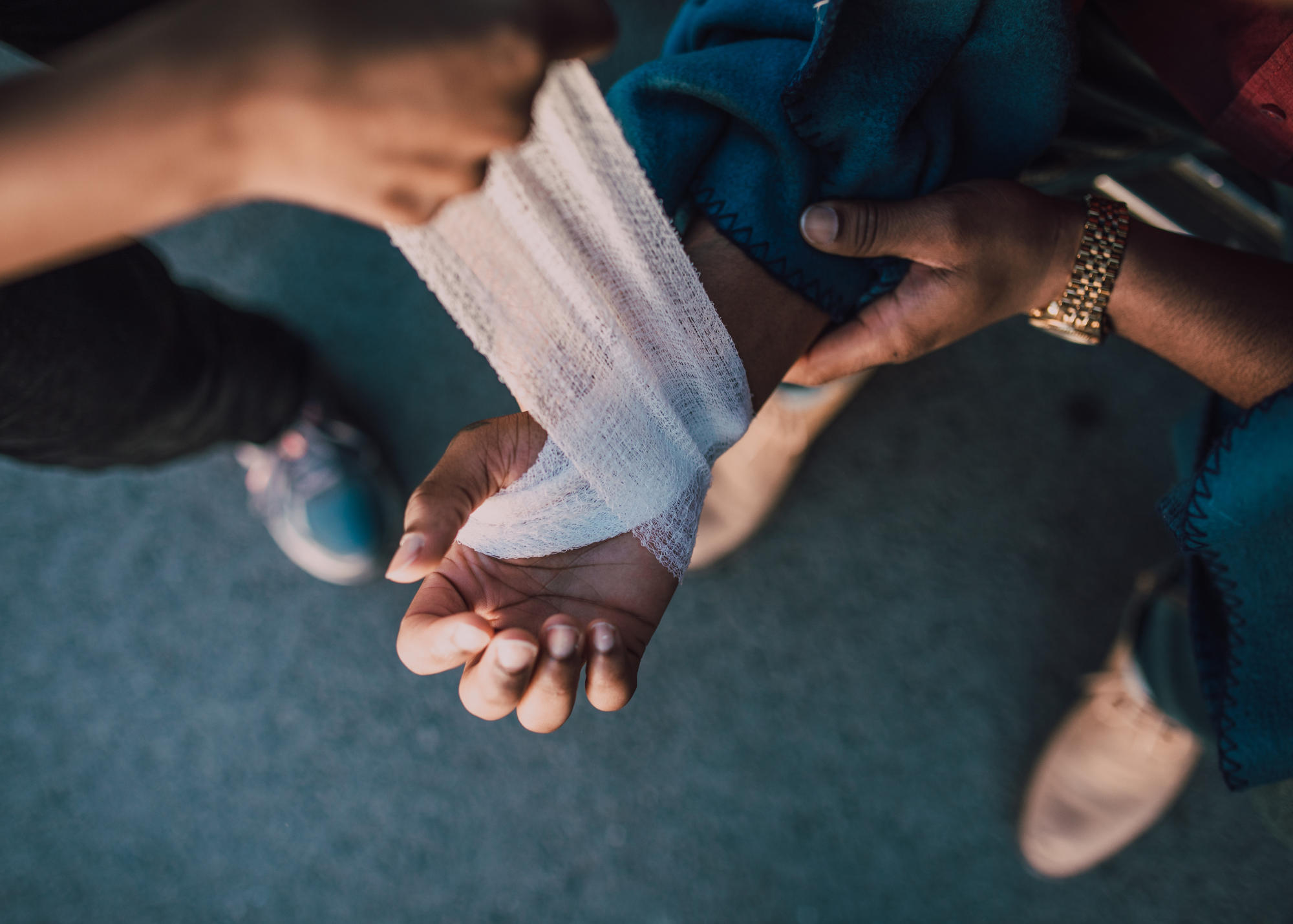
Better Care In the Field: Wound Care for People Who Use Drugs
Date: Wednesday, October 14th
Location: Southern Nevada Health District
About: In this workshop, attendees will learn best practices for wound care, including which wounds can be treated by the client and when to seek medical help. They will also learn to identify common wounds seen among people who use drugs. Finally, prevention is the best medicine so attendees will learn techniques and strategies they can share with clients to reduce their likelihood of wounds.
Link to Register: https://bit.ly/BCField1026

Let’s Talk About Chem Sex
Date: Tuesday, October 20th
Location: Southern Nevada Health District
About: Chemsex (“Party and Play” in the U.S.) can affect sexuality, intimacy, pleasure, identity, and recovery. Join this interactive, stigma-free workshop to explore the intersections of sex, pleasure, and substance use in a supportive space. We’ll cover consent, sexualized drug use, sexual health and safety, and legal issues related to sex work. Hear from experts at the Southern Nevada Health District and The Center and leave with trauma-informed, sex-positive tools to reduce shame, support autonomy and connection, improve safety planning, and promote sustainable recovery.
Link to Register: https://bit.ly/LetsTalkChemSex

Q4 SNOAC General Meeting
We can’t wait to see you all at our next meeting! This meeting will be hybrid and you can choose to attend in-person at a location to be announced or virtually via Zoom.
If you have any questions, wish to update your SNOAC membership, or have important community events or resources related to substance use, overdose or recovery, please don’t hesitate to reach out to Kat Pulver at pulver@snhd.org, Jessica Johnson at johnsonjes@snhd.org, or Jamie Ross at jross@drugfreelasvegas.org.
In-Person Meeting Location:
Roseman University
3755 Breakthrough Way
(Classroom TBA)
Las Vegas, NV 89135
Virtual Meeting Information:
Q3 SNOAC General Meeting
Jul 16, 2026 10:00 AM Pacific Time (US and Canada)
Join Zoom Meeting
https://us02web.zoom.us/j/81068677220?pwd=azPTZ38EXGZkisqYKzZdMnKAnha7OP.1
Meeting ID: 810 6867 7220
Passcode: Collab
---
One tap mobile
+16699009128,,81068677220#,,,,*156856# US (San Jose)
+17193594580,,81068677220#,,,,*156856# US
Join instructions

The Introduction to the Prevention Core Competencies for Prevention Professionals
About: The Introduction to the Prevention Core Competencies for Prevention Professionals is a three-day, in-person training that covers the foundations of substance use prevention science for early and mid-career prevention professionals. By taking this training, you’ll be able to expand your knowledge and skills in the field of prevention and ultimately enhance your ability to make a positive impact in your community.
The course covers a wide variety of topics including prevention science, community organization, needs & resource assessment, evidence-based interventions, and more. The Prevention Core Competencies and accompanying knowledge, skills, and abilities offer professional direction to the prevention field, affecting staff development, career ladders, and pipelines, and providing guidance for training programs and service delivery qualification.
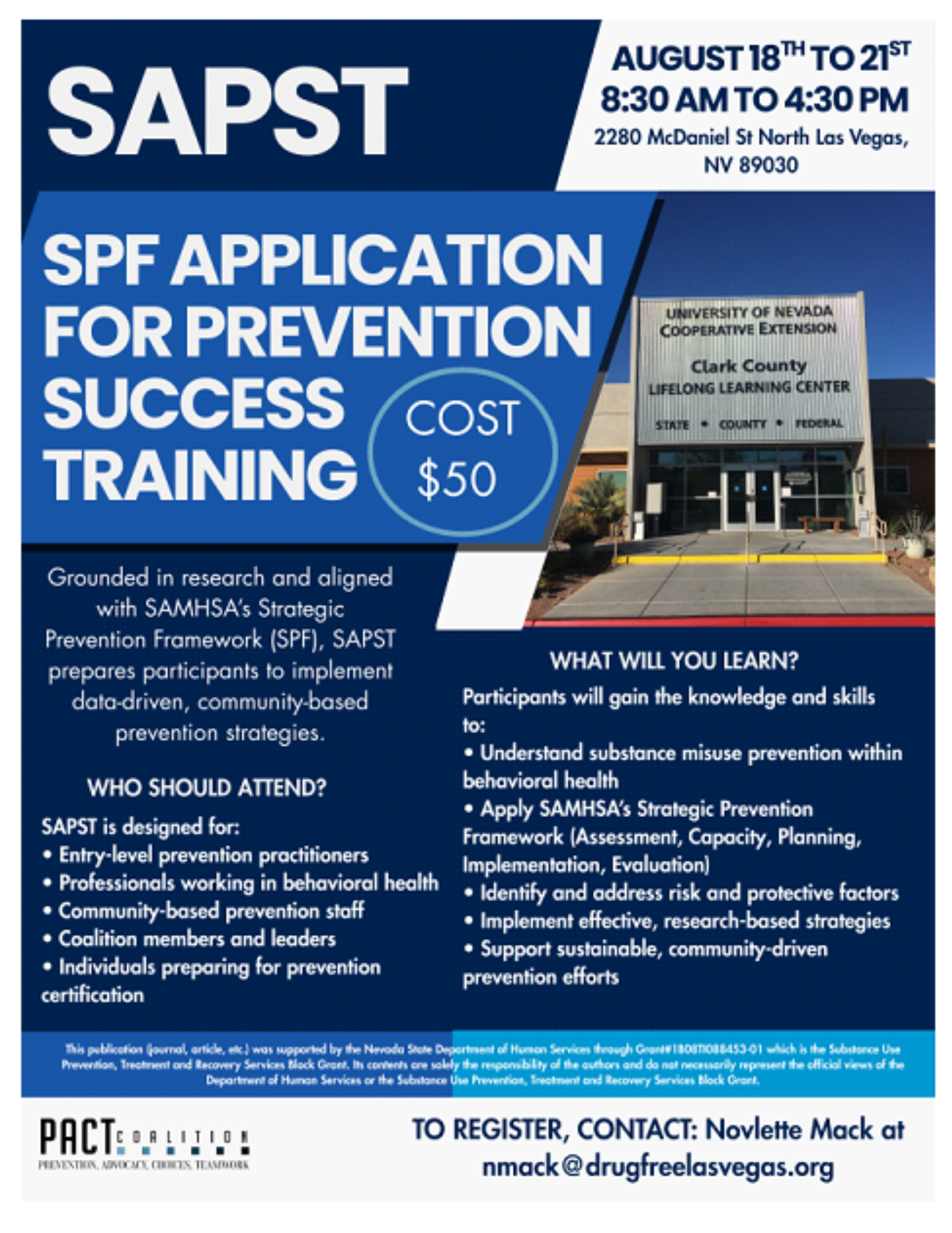
The curriculum uses evidence-based strategies for adult learning and builds upon and complements existing workforce training curricula and resources (e.g., SPF Application for Prevention Success Training (SAPST)).
Who Should Take this Training?
Community, tribal, jurisdiction, and state-level substance misuse prevention practitioners and allied health partners located in Nevada.
The Knowledge, Skills, and Abilities (KSAs) in this training are meant for early and mid-career prevention professionals or for seasoned professionals that need a refresher on the fundamentals of prevention science. As stated previously, this training does not take the place of other national curriculums such as SAPST, but it serves as a good option for those wanting to increase their knowledge and better prepare themselves for more specialized training.
Cost: Free
Q3 SNOAC General Meeting
We can’t wait to see you all at our next meeting! This meeting will be hybrid and you can choose to attend in-person at a location to be announced or virtually via Zoom.
If you have any questions, wish to update your SNOAC membership, or have important community events or resources related to substance use, overdose or recovery, please don’t hesitate to reach out to us via the “Contact Us” page.
In-Person Meeting Location:
Roseman University
3755 Breakthrough Way
(Classroom TBA)
Las Vegas, NV 89135
Virtual Meeting Information:
Q3 SNOAC General Meeting
Jul 16, 2026 10:00 AM Pacific Time (US and Canada)
Join Zoom Meeting
https://us02web.zoom.us/j/81068677220?pwd=azPTZ38EXGZkisqYKzZdMnKAnha7OP.1
Meeting ID: 810 6867 7220
Passcode: Collab
---
One tap mobile
+16699009128,,81068677220#,,,,*156856# US (San Jose)
+17193594580,,81068677220#,,,,*156856# US
Join instructions


Coordinating Care for Adolescents: Integrating MOUD and Mental Health Treatment in Pediatric Practice
This session is part of AAP’s Practical Guidance from Pediatricians: Treating Opioid Use Disorders in Adolescents. It will focus on practical strategies for integrating medications for opioid use disorder (MOUD) treatment and mental health care for adolescents within pediatric settings. Experts will share evidence-based approaches for building interprofessional teams, improving care coordination, and enhancing treatment adherence and outcomes.

Montana Summer Institute 2026: Creating Conditions Where The Good Can Grow

When: Thursday, February 19th from 9:30a-2:30p
Where: In-Person at Big Sky Resort in Big Sky, Montana; Virtual option available online
Cost: In-person: $1,095+/ Virtual: $325+ (see the website for details and exact pricing)
About: Join us at the nation’s premier conference on the Science of the Positive, Positive Community Norms & the Science of Positive Experiences. Over three and a half energizing days, we’ll explore how to grow the good in people, organizations, and communities and discover new ways to cultivate connection, foster resilience, and strengthen the protective factors that help communities flourish.
Through case studies, hands-on learning, and practical tools, you’ll leave equipped to nurture positive change and create the conditions where hope, health, and possibility can take root and thrive.
Everyone who registers is encouraged to take part in our online Pre-Institute. This two-and-half-hour webinar will introduce the Science of the Positive and Positive Community Norms frameworks, which have been used to enhance health and safety, increase protective factors, strengthen healthy norms, and transform community cultures on critical issues including substance use, traffic safety, child maltreatment, mental health, and more.

The National Conference on Drug-Endangered Children
Help, Hope, Support:
Celebrating 20 Years of Impact
Join us in Las Vegas for the NADEC 26 Conference, a powerful gathering of professionals, advocates, and community members working to protect and support drug-endangered children. This special 2026 event marks 20 years of NADEC's impact, and you won't want to miss it.
📍 Location: 2535 Las Vegas Boulevard South, Las Vegas, NV 89109
📆 Dates: 5 - 7 May, 2026
📲 Event App: Whova
Don’t miss your chance to be part of NADEC 26. Registration is now OPEN!
✅ Secure your spot before Late Registration kicks in - it'll cost an extra $100 per ticket!
✅ Join hundreds of professionals committed to protecting drug-endangered children!
✅ Get a discounted rate to stay at the Sahara (Details given in ticket confirmation!)
✅ Purchase our exclusive NADEC 26 conference swag!

Criminal Justice Skills Training: Alcohol & Substance Use Screening, Prevention, and Brief Intervention
This interactive in -person three-hour workshop equips criminal justice professionals with the knowledge and practical skills needed to identify, prevent, and respond to unhealthy alcohol and substance use among justice involved individuals. Designed for staff working in corrections, probation, parole, reentry, and related environments, the training blends foundational education with hands-on practice using validated screening tools and evidence-based brief intervention strategies. Participants will build skills in Motivational Interviewing informed communication, learn how to support individuals through behavior change conversations, and explore ways to address system level barriers that can impede access to care. The workshop also focuses on stigma reduction and practical approaches for strengthening referral pathways and continuity of care across the justice system. By the end of the session, justice professionals will leave with increased confidence and actionable skills they can immediately apply within their day to day supervision, case management, or custodial responsibilities.
Learning Outcomes:
Describe the spectrum, patterns, and consequences of unhealthy alcohol and substance use among justice involved individuals and explain how characteristics of this population shape risk and treatment access.
Identify and use appropriate screening approaches and tools for correctional and community supervision settings, and communicate results in a manner that supports trust, engagement, and safety.
Demonstrate foundational Motivational Interviewing informed skills for brief interventions, including techniques for supporting incremental behavior change within justice contexts.
Identify opportunities to integrate prevention, screening, and intervention strategies into correctional, probation, parole, and reentry workflows to improve outcomes for justice involved individuals.
Continuing Education Units: This training is approved for 3 continuing education (CE) hours by the Peace Officers' Standards & Training (POST) P2850018 and by the boards listed here.
Presenter: Jennifer Hettema, PhD is a licensed clinical psychologist and conducts research on the development, evaluation, and dissemination of screening, prevention, and intervention strategies (SPI) for unhealthy alcohol and drug use. She is a member of the Motivational Interviewing Network of Trainers and much of her work integrates this approach. Dr. Hettema develops curricula and has trained thousand of professionals in evidence-based SPI strategies.
Cost: FREE
Contingency Management Overview Training
** FOR CLARK COUNTY PROVIDERS ONLY**
When: Tuesday, April 28th from 1p-3pm
Where: Virtual Via Zoom
About: Contingency management (CM) is one of the only evidence-based behavioral interventions shown to be effective in treating stimulant use disorder (StimUD). Contingency management provides monetary incentives (such as gift cards) for meeting treatment specific goals, including stimulant non-use as measured by point-of-care urine drug tests (UDTs). Through the systematic application of positive reinforcement, individuals are rewarded for positively changing stimulant-focused behavior. Substance use offers a powerful, immediate reinforcement. Contingency management confronts this challenge by offering immediate financial awards that can help activate the brain’s reward system, thus encouraging the replacement of stimulants with the non-drug incentive to achieve a dopamine release. This two-hour training workshop is designed to provide a broad overview of contingency management as a behavioral intervention for the treatment of StimUD. The topics presented throughout the workshop include: (1) the scope of stimulant use in Southern Nevada and beyond; effects of stimulants on the brain, body, and behavior; (3) the psychological and behavioral principles of CM; (4) four essential ingredients of a protocol-based CM Program; (5) positive, encouraging elements of CM; (6) the research support for CM; and (7) strategies for planning for, financing, and implementing a structured CM Program.
By the end of this webinar, participants will be able to:
· Describe at least three (3) patterns and trends regarding the scope of stimulant use in Southern Nevada and beyond.
· Identify at least three (3) acute and three (3) chronic effects of psychostimulant drugs on the brain.
· Specify at least three (3) key principles of operant conditioning.
· Formulate a list of the four (4) essential elements of an evidence-based protocol-driven Contingency Management Program to address stimulant use.
Continuing Education Units: 1.5 CEU // This training is approved for continuing education by the boards listed here.
Cost: Free
Better Care Between the Sheets: Sex, Sex work, and Substance Use
About: This workshop encourages open, stigma-free discussions about the intersections of sex, pleasure, and substance use. Participants will explore topics like consent, sexualized drug use, safer sex practices, and legal issues affecting sex work. Attendees will gain better care strategies and resources to support clients/patients who are engaged in sex and substances use.
Cost: Free
Q2 SNOAC General Meeting
We can’t wait to see you all at our next meeting! This meeting will be hybrid and you can choose to attend in-person at a location to be announced or virtually via Zoom.
If you have any questions, wish to update your SNOAC membership, or have important community events or resources related to substance use, overdose or recovery, please don’t hesitate to reach out to us via the “Contact Us” page.
In-Person Meeting Location:
Roseman University
3755 Breakthrough Way
Classroom 200
Las Vegas, NV 89135
Virtual Meeting Information:
Q2 SNOAC General Meeting
Apr 16, 2026 10:00 AM Pacific Time (US and Canada)
Join Zoom Meeting
https://us02web.zoom.us/j/89138325824?pwd=sfgJKc2sqhsrkNP1QIwg8I3fLSrJl2.1
Meeting ID: 891 3832 5824
Passcode: Collab
---
One tap mobile
+16699009128,,89138325824#,,,,*230162# US (San Jose)
+17193594580,,89138325824#,,,,*230162# US
Join instructions
Contingency Management Overview Training
** FOR CLARK COUNTY PROVIDERS ONLY**
When: Tuesday, April 14th from 9a-11a
Where: Virtual Via Zoom
About: Contingency management (CM) is one of the only evidence-based behavioral interventions shown to be effective in treating stimulant use disorder (StimUD). Contingency management provides monetary incentives (such as gift cards) for meeting treatment specific goals, including stimulant non-use as measured by point-of-care urine drug tests (UDTs). Through the systematic application of positive reinforcement, individuals are rewarded for positively changing stimulant-focused behavior. Substance use offers a powerful, immediate reinforcement. Contingency management confronts this challenge by offering immediate financial awards that can help activate the brain’s reward system, thus encouraging the replacement of stimulants with the non-drug incentive to achieve a dopamine release. This two-hour training workshop is designed to provide a broad overview of contingency management as a behavioral intervention for the treatment of StimUD. The topics presented throughout the workshop include: (1) the scope of stimulant use in Southern Nevada and beyond; effects of stimulants on the brain, body, and behavior; (3) the psychological and behavioral principles of CM; (4) four essential ingredients of a protocol-based CM Program; (5) positive, encouraging elements of CM; (6) the research support for CM; and (7) strategies for planning for, financing, and implementing a structured CM Program.
By the end of this webinar, participants will be able to:
· Describe at least three (3) patterns and trends regarding the scope of stimulant use in Southern Nevada and beyond.
· Identify at least three (3) acute and three (3) chronic effects of psychostimulant drugs on the brain.
· Specify at least three (3) key principles of operant conditioning.
· Formulate a list of the four (4) essential elements of an evidence-based protocol-driven Contingency Management Program to address stimulant use.
Continuing Education Units: 1.5 CEU // This training is approved for continuing education by the boards listed here.
Cost: Free
The Role of Rural Community Partners in Addressing the Opioid Crisis
This webinar explores how grassroots organizations, local leaders, and service providers in rural areas can work together to combat the devastating impact of opioid addiction. Participants will gain insights into the unique challenges faced by rural communities, discover innovative strategies and success stories from the field, and learn how to build effective partnerships that support prevention, treatment, and recovery.
Learning Objectives:
Educate participants about the unique challenges and disproportionate impact of the opioid crisis in rural communities.
Showcase the vital contributions of rural partners—such as nonprofits, faith-based groups,
schools, and local leaders—in prevention, treatment, and recovery efforts.
Present real-world examples and proven strategies that rural communities have successfully
implemented to combat opioid misuse.
Provide attendees with practical tools, funding resources, and collaborative models to strengthen local responses and build sustainable solutions.
Intended Audience: Healthcare and behavioral health professionals, policymakers, community advocates, community health organizations, and community members
Presentation Format: This session will take place in a Zoom meeting format. Participants will have access to camera and audio, though neither is required. For more information on the use of Zoom please visit the Getting Started with Zoom Videoconferencing Software section of our website
Presented by: Humberto Carvalho, MPH
Humberto Carvalho is a seasoned public health professional with extensive experience leading domestic and international initiatives funded by the U.S. government. He holds a Master of Public Health Leadership with a concentration in Epidemiology from the University of North Carolina at Chapel Hill. Over the course of over 12 years at the Substance Abuse and Mental Health Services Administration (SAMHSA), Humberto played a pivotal role in shaping public health policies and advancing key initiatives to promote mental health and substance use treatment and prevention.
Continuing Education Units: 1.25 CEUs
This training is approved for continuing education by the boards listed here. This course is also approved by the Nevada Certification Board for the following professional certifications:
Peer Recovery and Support Specialists (PRSS) and PRSS Supervisors (PRSS-S)
Community Health Workers (CHW)
Certified Prevention Specialists (CPS)
Funding for this activity was made possible in whole or in part by the Nevada Department of Health and Human Services (DHHS) Director’s Office through the Fund for a Resilient Nevada, established in Nevada Revised Statutes 433.712 through 433.744. The opinions, findings, conclusions, and recommendations expressed in our courses are those of the author(s) and do not necessarily represent the official views of the Nevada Opioid Center of Excellence or its funders.
Achievement Unlocked: Power-Up with PrEP!
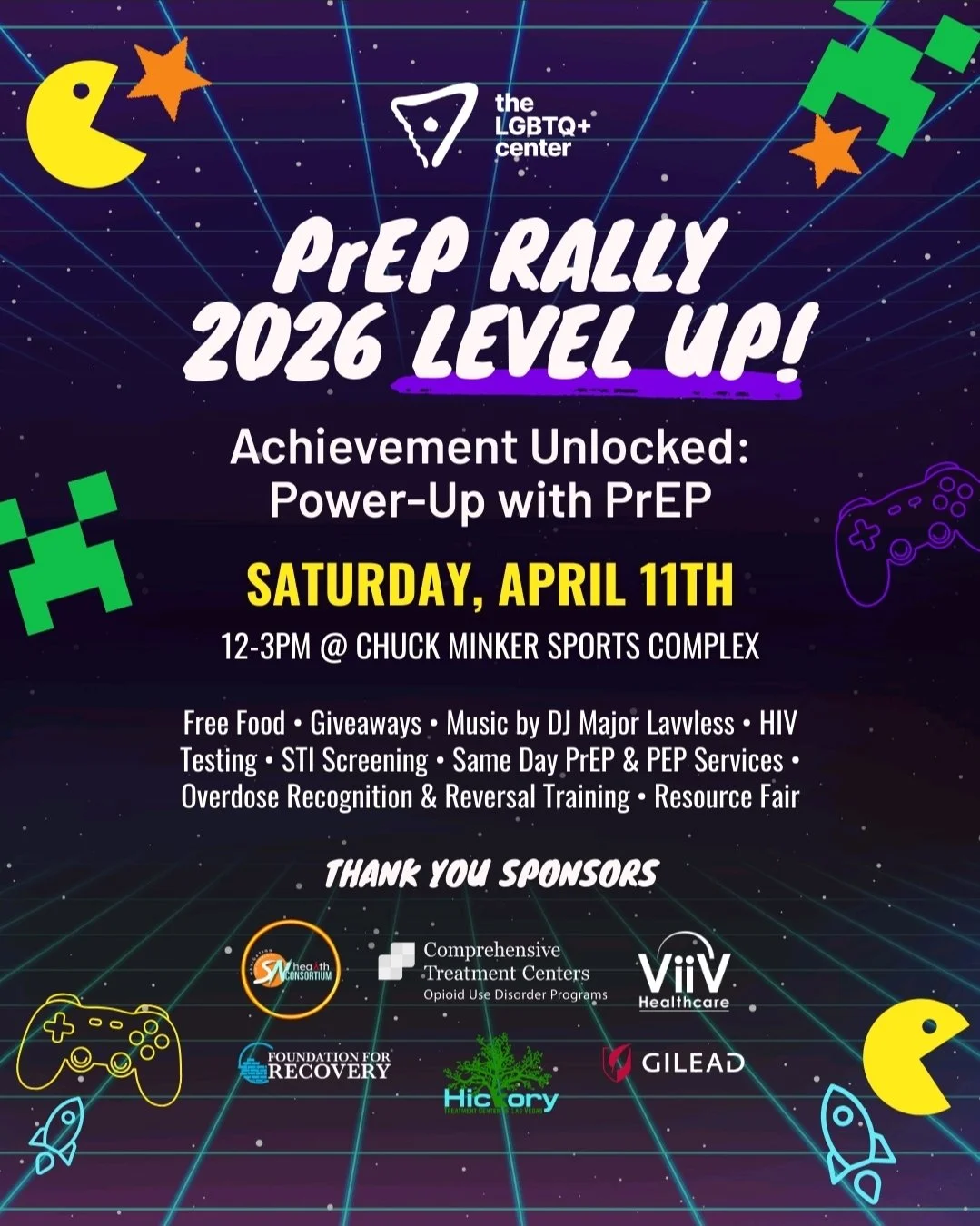
The 5th Annual PrEP Rally is almost here and you’re invited to level up your health and wellness with us! Join The LGBTQ+ Center and community partners on Saturday, April 11 from 12–3 PM for an afternoon packed with resources, music, food, and fun.
What to expect:
HIV testing and education
STI screening and education
PrEP navigation with same-day PrEP & PEP services
Overdose recognition and reversal training
HIV, SUD, and health & wellness resource fair
Plus enjoy free food, giveaways, and great music from DJ Major Lavvless while connecting with organizations working to support community health.
TINHIH Aim for Recovery Competition
Take your best shot at supporting youth mental health! Join us at the Pro Gun Club in Las Vegas for Aim 4 Recovery - a high-energy sporting clay tournament where fun meets purpose. Grab three friends and tackle 10 unique shooting stations in this 'golf-with-shotguns' style event benefiting There is No Hero in Heroin Foundation's youth recovery programs.
Whether you're a seasoned shooter or new to clay sports, your participation makes a direct impact on youth mental health and recovery support services in our community. Experience includes tournament entry, raffles, auctions, and meals.
Ready to make every shot count? Register your team today! Call 702-290-9952
SNHD 2026 State of Public Health
Join the Southern Nevada Health District for an update on key public health issues affecting our community and the collaborative efforts underway to improve health outcomes in Clark County. This year’s program will highlight local efforts to address the overdose epidemic and expand access to care through the Health District’s Street Medicine program. Opening remarks will be provided by Dr. Cassius Lockett, District Health Officer, and Scott Black, North Las Vegas Mayor Pro Tem and Chair of the Southern Nevada District Board of Health.
Contingency Management Overview Training
** FOR CLARK COUNTY PROVIDERS ONLY**
When: Tuesday, March 31st from 1p-3pm
Where: Virtual Via Zoom
About: Contingency management (CM) is one of the only evidence-based behavioral interventions shown to be effective in treating stimulant use disorder (StimUD). Contingency management provides monetary incentives (such as gift cards) for meeting treatment specific goals, including stimulant non-use as measured by point-of-care urine drug tests (UDTs). Through the systematic application of positive reinforcement, individuals are rewarded for positively changing stimulant-focused behavior. Substance use offers a powerful, immediate reinforcement. Contingency management confronts this challenge by offering immediate financial awards that can help activate the brain’s reward system, thus encouraging the replacement of stimulants with the non-drug incentive to achieve a dopamine release. This two-hour training workshop is designed to provide a broad overview of contingency management as a behavioral intervention for the treatment of StimUD. The topics presented throughout the workshop include: (1) the scope of stimulant use in Southern Nevada and beyond; effects of stimulants on the brain, body, and behavior; (3) the psychological and behavioral principles of CM; (4) four essential ingredients of a protocol-based CM Program; (5) positive, encouraging elements of CM; (6) the research support for CM; and (7) strategies for planning for, financing, and implementing a structured CM Program.
By the end of this webinar, participants will be able to:
· Describe at least three (3) patterns and trends regarding the scope of stimulant use in Southern Nevada and beyond.
· Identify at least three (3) acute and three (3) chronic effects of psychostimulant drugs on the brain.
· Specify at least three (3) key principles of operant conditioning.
· Formulate a list of the four (4) essential elements of an evidence-based protocol-driven Contingency Management Program to address stimulant use.
Continuing Education Units: 1.5 CEU // This training is approved for continuing education by the boards listed here.
Cost: Free

Narcan At Night Presents: Spring into Action
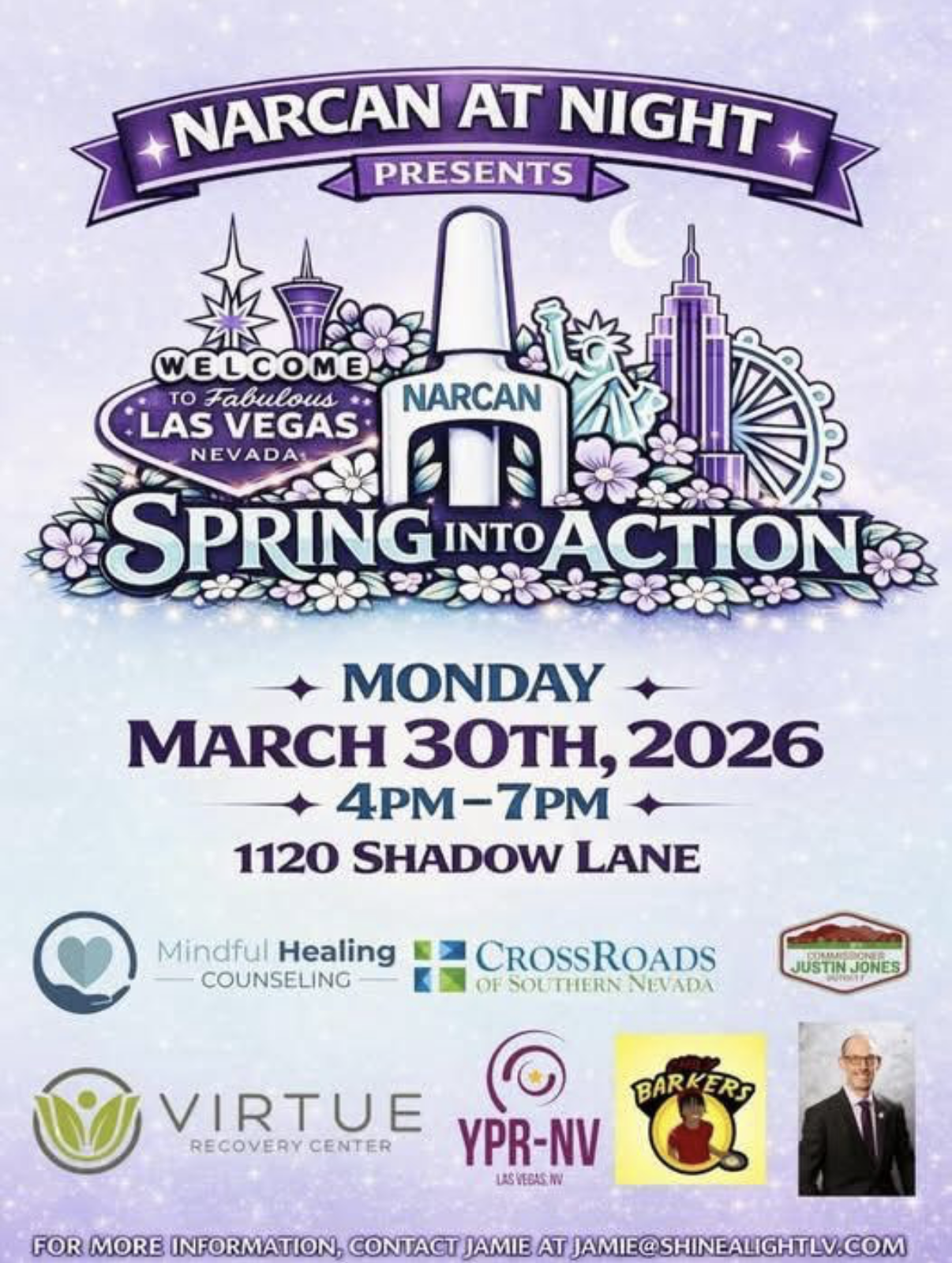
Join us for the Narcan at Night’s “Spring Into Action” Pop-Up Event, a heartfelt gathering dedicated to community, connection, and hope for a meaningful cause.
We invite you to an afternoon where we come together to support each other with:
Food
Music
Community raffles
Face painting
A special visit from the Easter Bunny
Information about local organizations and resources
Narcan at Night was created to raise awareness about overdose prevention and to foster a caring community where no one faces challenges alone. Events like this serve as a reminder of the strength we find in coming together.
Bring your family, invite friends, and join us as we welcome spring with open hearts and a spirit of solidarity.
We look forward to seeing you there and sharing a moment of compassion and community.
Better Care in the Field: Wound Care for Non-Clinicians
About: In this workshop, attendees will learn best practices for wound care, including which wounds can be treated by the client and when to seek medical help. They will also learn to identify common wounds seen among people who use drugs. Finally, prevention is the best medicine so attendees will learn harm reduction techniques and strategies they can share with clients to reduce their likelihood of wounds.
Cost: Free
Focus Las Vegas: What the Community Needs to do to Improve Access to Healthcare in Southern Nevada
When: Wednesday, March 18th from 8am-11am
Where: New Orleans Hotel & Casino (4500 W Tropicana Ave. Las Vegas, NV 89103)
About: Join the Vegas Chamber and the Leadership Foundation for an in-depth discussion dedicated to exploring and addressing critical issues facing Southern Nevada's healthcare landscape.
The event features a comprehensive agenda designed to foster dialogue and solutions. The program will feature new research on the state of graduate medical education by Dr. Paul Umbach.
The symposium includes three dynamic panel discussions:
Medical residencies with leaders from local universities
A crucial second panel addressing the need to expand mental health workforce featuring state legislators and experts
A panel with the CEOs of major local healthcare systems in Southern Nevada.
This policy symposium offers a unique opportunity to gain insight into Southern Nevada’s healthcare challenges and collaborative solutions from key decision-makers.
Cost: $60+ (See link for details)
One Counter, Many Solutions: Collaborative Approaches to Co-Dispensing Opioid Safety Kits in the Pharmacy Setting
Date: Thursday, March 12 from 9am-10:30a
Location: Virtual via Zoom
About: Learn how prevention providers and pharmacists can partner to implement a comprehensive co-dispense project that promotes safe opioid use and overdose prevention. This session will highlight practical strategies for offering medication lock boxes, disposal bags, and naloxone at the point of opioid dispensing, while demonstrating how to braid funding streams—including grants, government support, and reimbursement mechanisms—to sustain these efforts. Through real-world examples from North Carolina communities, participants will gain actionable guidance to build strong cross-sector partnerships and successfully plan, launch, or expand co-dispensing initiatives in pharmacy settings.
Cost: Free
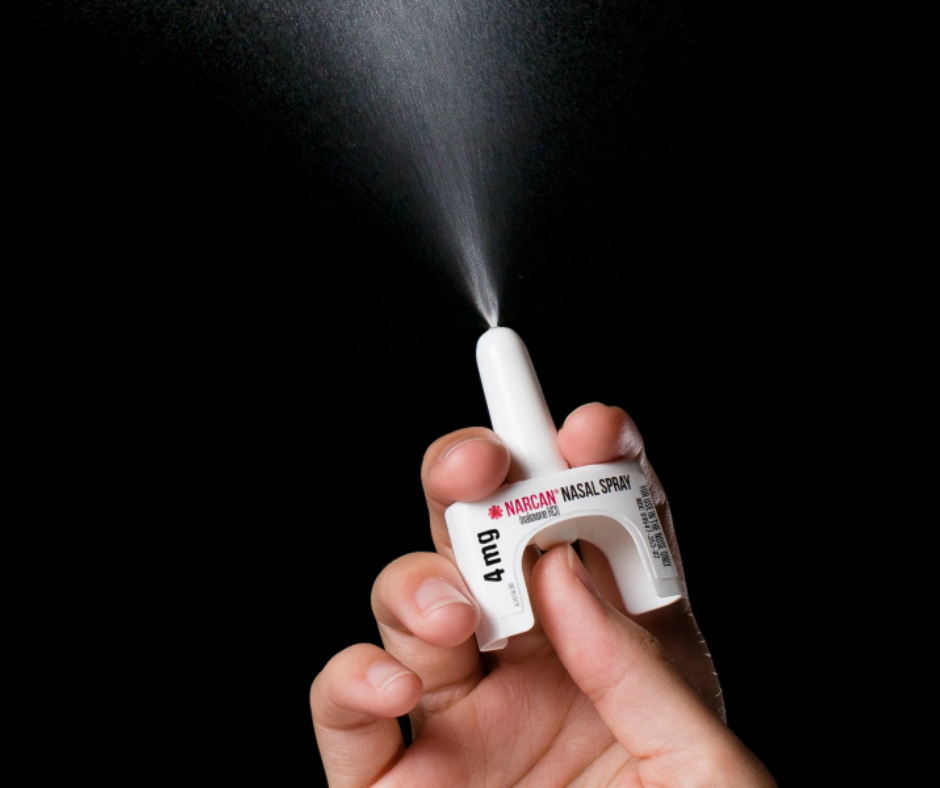
Overdose Response Training of Trainers
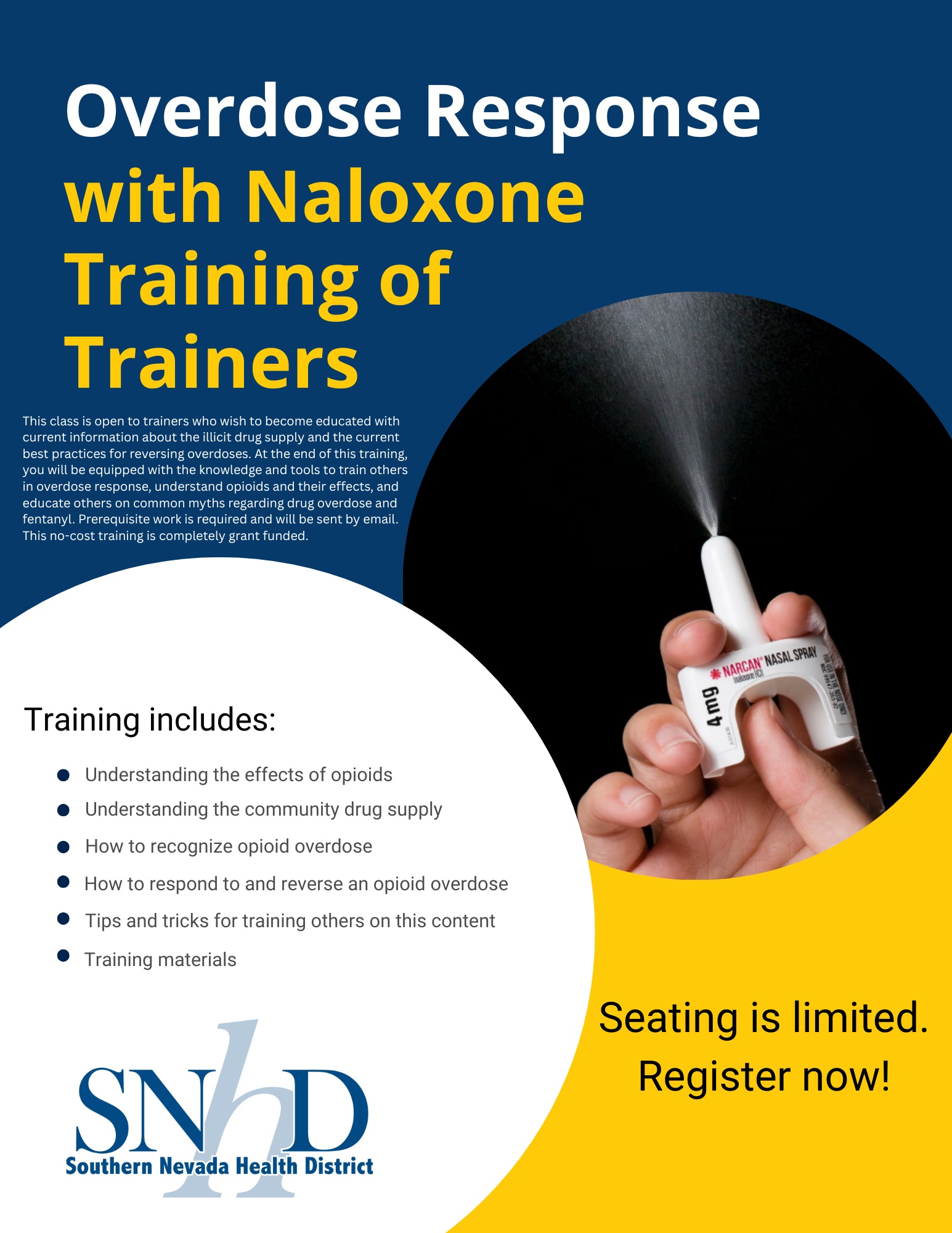
Date: Thursday, March 5th from 8a-11a
Location: Southern Nevada Health District (280 S. Decatur Blvd. Las Vegas, NV 89107)
Cost: Free
About: This class is open to trainers who wish to become educated with current information about the illicit drug supply and the current best practices for reversing overdoses. At the end of this training, you will be equipped with the knowledge and tools to train others in overdose response, understand opioids and their effects, and educate others on common myths regarding drug overdose and fentanyl. Prerequisite work is required and will be sent by email. This no-cost training is completely grant funded.
To learn more about, reach out to Lori Bryan at bryanl@snhd.org
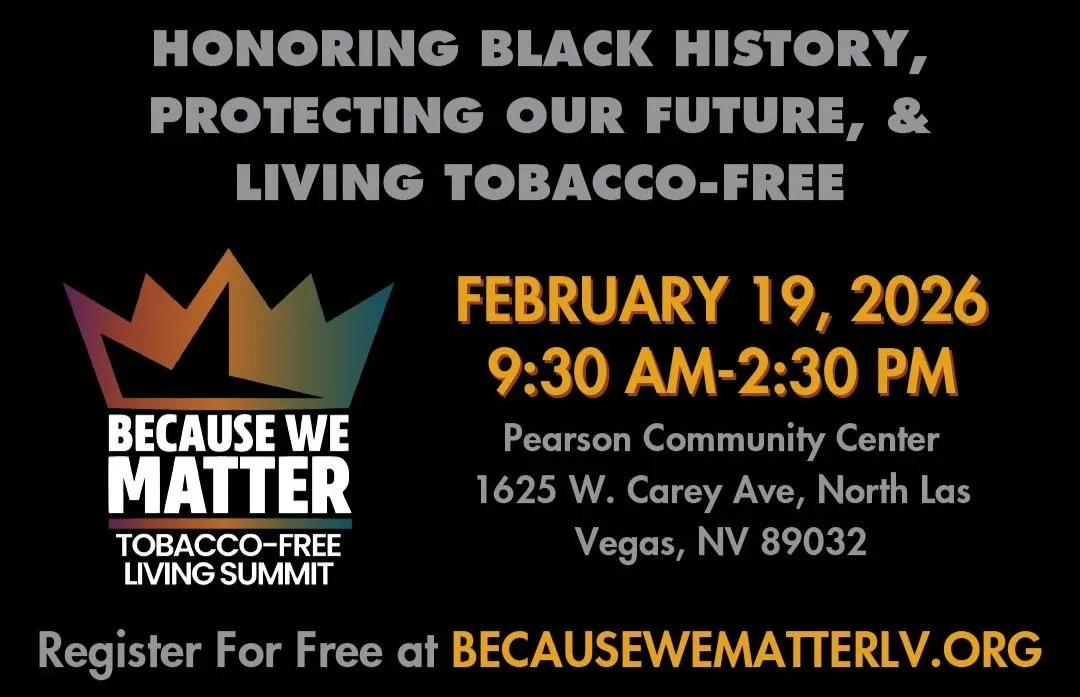
3rd Annual Tobacco-Free Living Summit
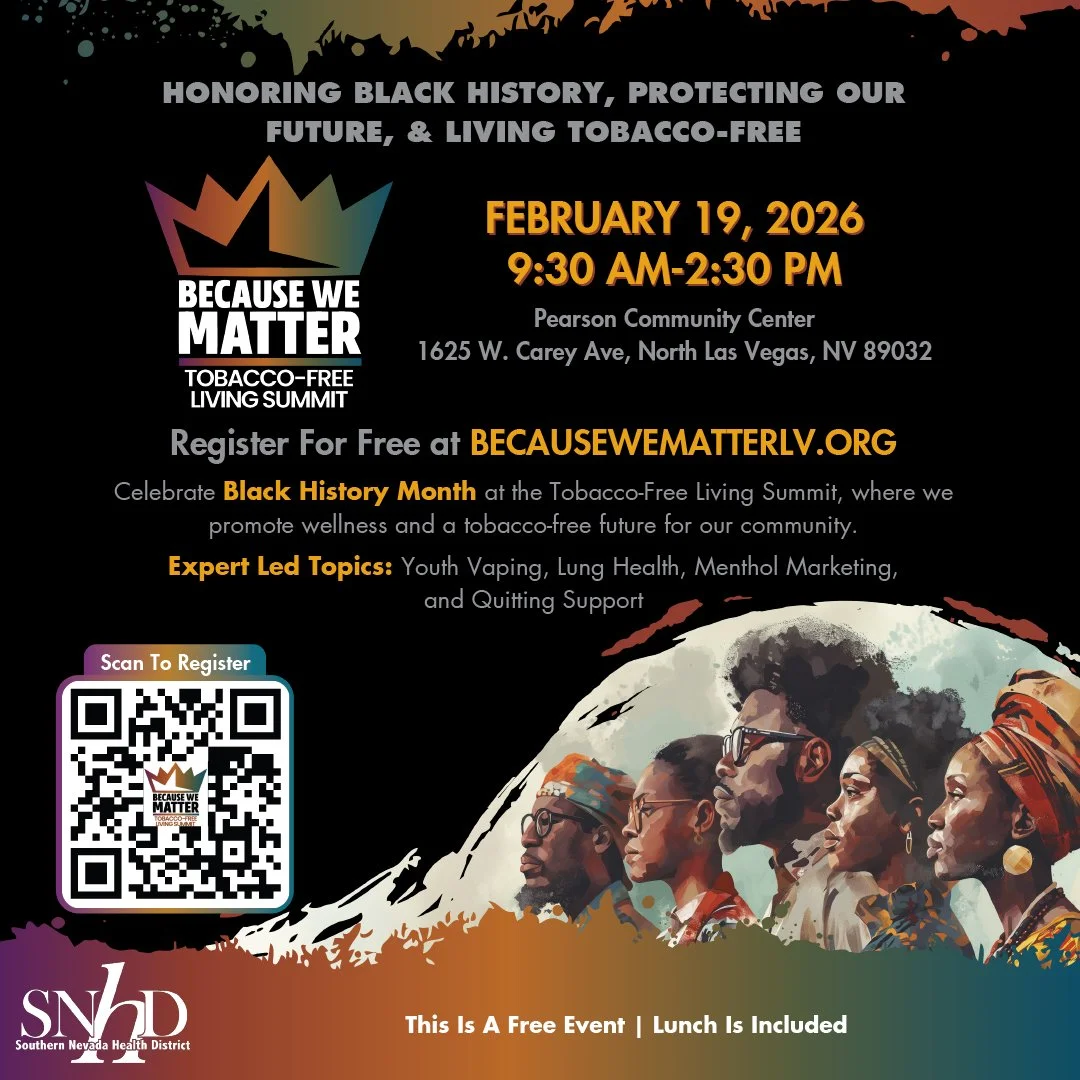
When: Thursday, February 19th from 9:30a-2:30p
Where: Pearson Community Center (1625 W Carey Ave, North Las Vegas, NV 89032)
Cost: Free- lunch is included!
About: The 3rd Annual Tobacco-Free Living Summit is taking place on February 19 at the Pearson Center. This is a free event, and lunch is included! This year’s summit will feature the following workshop sessions and speakers:
Menthol Tobacco Cultural Exploitation
Onjewel Smith, echo LLC, Americans for Nonsmokers’ Rights Foundation
Moving Beyond Cessation
Dr. Karen Beard, AMPLIFY and ACCTLC
Lung Cancer Screening Matters
Kayla Ramsey, Nevada Cancer Coalition
Protecting Black Youth From Vaping
DJ Yearwood, 2023 Campaign for Tobacco Free Kids Youth Advocate of the Year
Nevada Cessation Programs and Resources
Tracy Turn, UnitedHealthcare and HPN
Richard Davis, Dignity Health
For more information, please contact Mekale Holmes at holmes@snhd.org
LIMA Community Resource Sharing Meeting
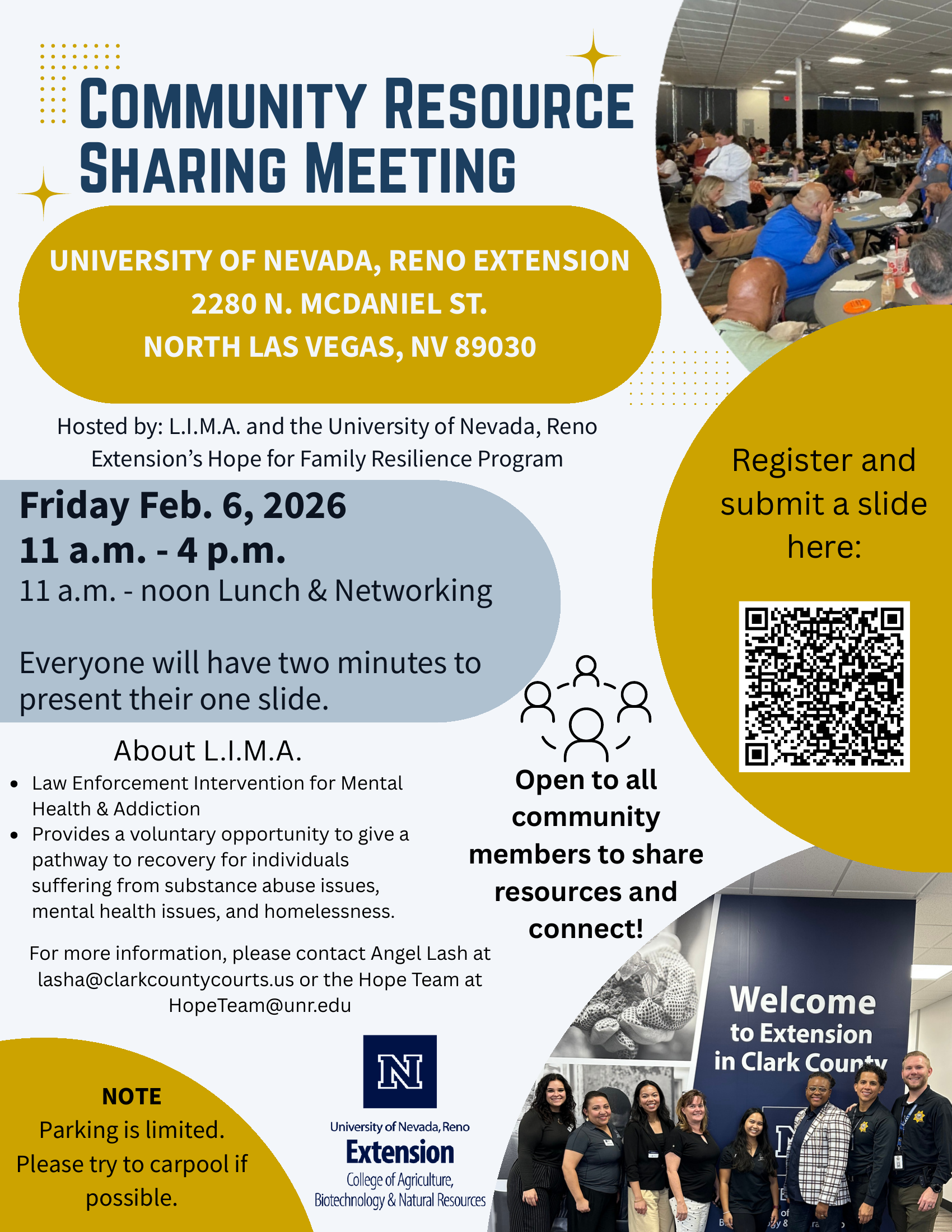
When: Friday, February 6th from 11a-4p
About: This meeting is open to all community members to share resources! Everyone will have 2 minutes to share with attendees.
Link to Flyer: https://files.constantcontact.com/f9350320801/7fd42fd4-81cd-4d12-a9e6-919c884d5806.pdf
Register to attend here and submit a resource slide: https://forms.office.com/pages/responsepage.aspx?id=_Es7Ur0OA0yyuW9qF_0x2LmAYtadmQVIuegG13AHsbRUNzFFMjRSMVk0MUdMMktSOUY1SklWRjFOQS4u&route=shorturl
Q1 SNOAC General Meeting
We can’t wait to see you all at our next meeting! This meeting will be hybrid and you can choose to attend in-person at a location to be announced or virtually via Zoom.
If you have any questions, wish to update your SNOAC membership, or have important community events or resources related to substance use, overdose or recovery, please don’t hesitate to reach out to us via our “Contact Us” page.
In-Person Meeting Location:
Roseman University
3755 Breakthrough Way
Classroom 200
Las Vegas, NV 89135
Virtual Meeting Information:
Q1 SNOAC General Meeting
Feb 5, 2026 10:00 AM Pacific Time (US and Canada)
Join Zoom Meeting
https://us02web.zoom.us/j/87865374987?pwd=CloEtS0E0qb51ZNoMR40Py8jDVJAVS.1
Meeting ID: 878 6537 4987
Passcode: Collab
---
One tap mobile
+16694449171,,87865374987#,,,,*849653# US
+16699009128,,87865374987#,,,,*849653# US (San Jose)
Join instructions
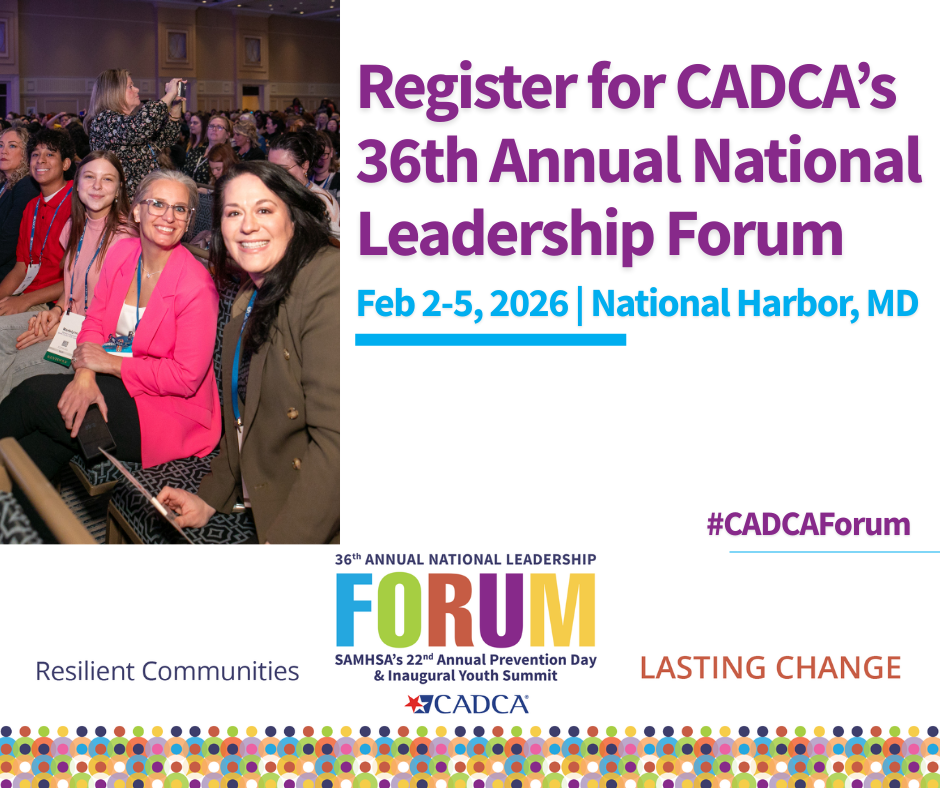
CADCA 36th Annual National Leadership Forum
When: Monday, February 2nd at 7am to Thursday, February 5th at 2:20p
Where: Gaylord National Resort and Conference Center (201 Waterfront St, Oxon Hill, MD 20745)
Cost: $895+ (see website for exact pricing and details)
About: Join us from February 2–5, 2026 for the premier training event for community leaders, coalition members, and advocates committed to the prevention field. CADCA equips coalitions with the tools, knowledge, and support necessary to create positive change in their communities, and this year’s Forum promises to be our most impactful yet. With over 4,000 attendees from across the globe, we will share insights, learn best practices, and network with like-minded professionals. Featuring over 100 workshops, plenary sessions with renowned speakers, and countless opportunities for professional development, the 2026 CADCA Forum is your chance to gain the resources needed to drive positive change. And the ever-popular SAMHSA Prevention Day and Capitol Hill Day will be highlights for all to experience.
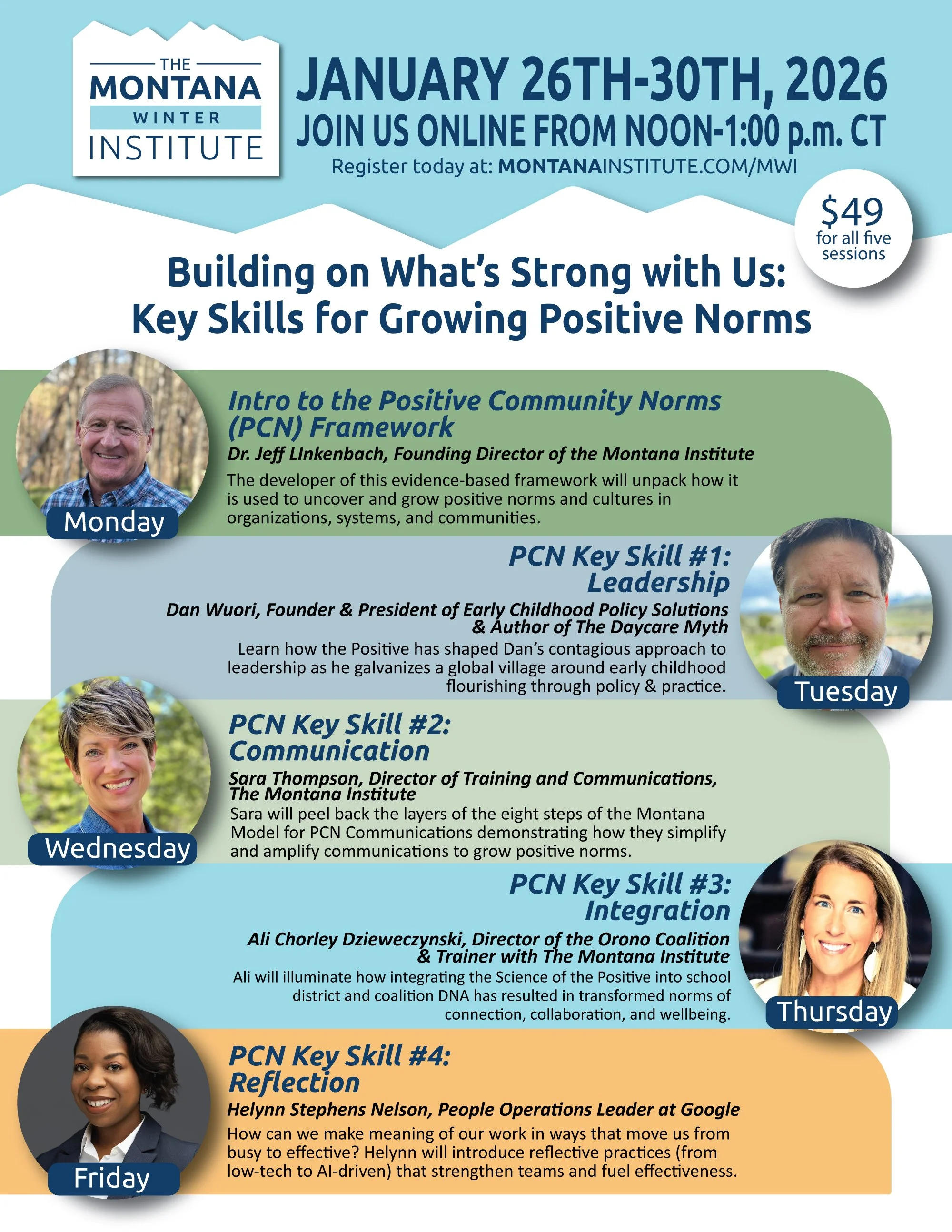
Montana Winter Institute 2026
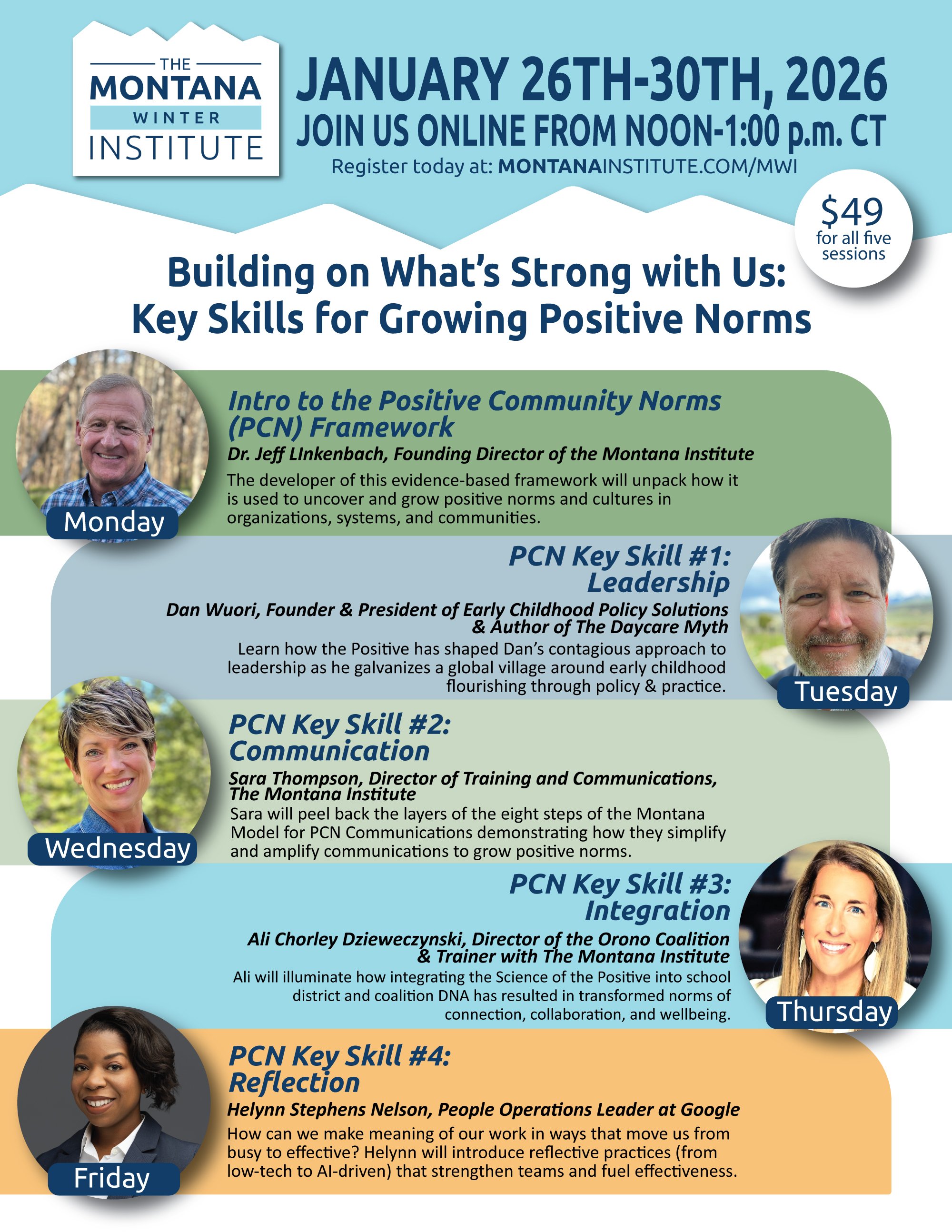
When: Monday, January 26th through Friday, January 30th from 10a-11a each day
Where: Online
Cost: $49 for all 5 sessions
About: Ready to strengthen what’s strong in your community? Join us online for the 2026 Montana Winter Institute and learn the key skills for building positive, protective norms. We will gather January 26–30 for one action-packed online hour each day.
Just $49 for all five sessions, including 90 days of replay access!
Learn more about our stellar faculty line-up on our website!

2025 SNOAC Holiday Gathering
You have been invited to attend the Southern Nevada Opioid Advisory Council (SNOAC) Planning Meeting and Winter Gathering! At this meeting there will be snacks and warm drinks as you network with your fellow attendees and voice your opinions on what you feel should be the SNOAC priorities in 2026!
This gathering and feedback session will be held in-person at the Center at 401 S Maryland Pkwy, Las Vegas, NV 89101. Due to the interactivity of the gathering, there will not be a virtual option to attend.
This is a flexible gathering and you are welcome to come anytime between 10 and 12 and stay for as long as you would like in the meeting- whether that is 10 minutes or the full two hours.
If you have any questions, or would like to update your membership, please reach out via the “Contact us” page. We hope to see you there!